
Personalized Heating, Professional Results
Every home deserves a unique heating solution. From compact, space-saving systems for small apartments to powerful units for larger properties, our team ensures flawless installation and lasting performance.
Best Heating System for Small Apartments and Large Homes
When winter hit hard last year, Andre, who had just moved into his small apartment, couldn’t understand why his electricity bills kept skyrocketing while his space still felt cold. He assumed that turning up his old baseboard heater was the solution but that ignorance about how heating systems actually work cost him hundreds of dollars and a great deal of comfort. Like many homeowners and tenants, Andre didn’t realize that choosing the right heating system goes far beyond simple power or price; it depends on factors such as space size, insulation, and energy efficiency. Understanding these aspects is essential not only for saving money but also for creating sustainable, comfortable living conditions all year round.
To understand what went wrong for Andre—and how you can avoid the same mistake, read this article to the end and discover the best heating solutions for both small apartments and large homes.
Top heating solution for both small apartments and spacious houses
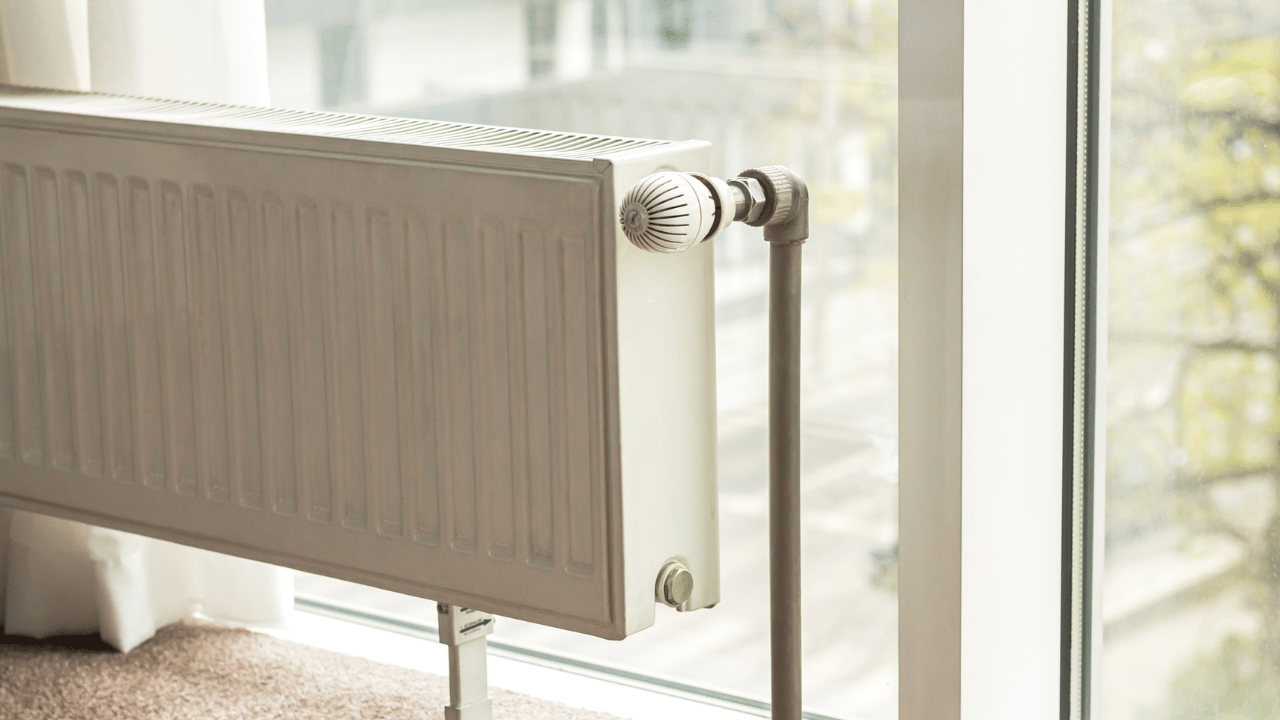
Choosing the best heating system can feel overwhelming. Whether you live in a compact urban apartment or a sprawling suburban home, the right system doesn’t just keep you warm, it impacts your energy bills, indoor comfort, and sustainability. Let’s dive into the factors that truly matter and help you find the ideal heating solution for your space.
How Home Size Influences Your Heating Options
The first step in choosing an efficient heating system is understanding how much space you need to warm. In smaller apartments, every square meter counts, and energy-efficient systems that deliver targeted heat are essential. Larger homes, on the other hand, demand systems with power and reach, ones that maintain consistent warmth from the basement to the attic.
The Role of Space Efficiency
In small spaces, energy loss and efficiency are crucial. A system that heats air or water unnecessarily wastes power. Compact systems like electric wall heaters or ductless heat pumps minimize energy waste by delivering warmth precisely where it’s needed.
By contrast, large homes benefit from centralized heating systems, like gas furnaces or hydronic boilers, that efficiently distribute heat through ducts or radiators across multiple rooms.
For example: Sarah, a friend who lives in a 50-square-meter apartment in San Antonio, replaced her old baseboard heater with a ductless mini-split system. Her monthly electricity bill dropped by around 25%, and she noticed that her living room heated twice as fast. In contrast, her parents, who live in a 300-square-meter house in the suburbs, rely on a high-efficiency gas furnace with a programmable thermostat. Their goal isn’t fast heating, it’s maintaining warmth evenly throughout the day.
Why Insulation and Layout Matter
A common mistake is assuming that heating capacity alone determines comfort. The quality of your insulation and your home’s layout influence how well heat circulates.
If your apartment has poor insulation or large windows, even the best small system may struggle. Likewise, if your large home has unevenly sized rooms, consider zoned heating. Systems that allow temperature control by zone, like smart thermostats or multi-zone heat pumps, prevent waste by heating only when and where needed.
In practice, this means using smart solutions like Nest or Ecobee thermostats, which can analyze your usage patterns and adjust heating automatically based on time of day, occupancy, and outdoor temperatures.
Best Heating Systems for Small Apartments
For small apartment dwellers, the goal is maximum efficiency in minimal space. You want something that’s quiet, easy to install, and energy-smart. Let’s explore the top systems that check these boxes.
1. Ductless Mini-Split Heat Pumps
A ductless mini-split is one of the most flexible and energy-efficient options for small apartments. These systems consist of an indoor air-handling unit and an outdoor compressor. They require no ductwork, which is perfect for older buildings or rented apartments.
Advantages:
- High energy efficiency (up to 300% efficiency, according to the U.S. Department of Energy).
- Dual function: heating in winter, cooling in summer.
- Individual temperature zones for different rooms.
- Quiet operation.
Ideal for: Studio apartments or homes under 100 square meters that need targeted comfort without extensive installation.
Real example:
Andre, a friend’s colleague who lives in a small apartment, installed a single-zone ductless system last winter. He was surprised that even during −10°C days, his place stayed perfectly warm, and his monthly energy bill dropped by about 20%.
2. Electric Radiant Floor Heating
Electric radiant heat is a luxurious but efficient choice, especially if you’re remodeling. It works through cables beneath your floors, distributing warmth evenly from the ground up.
Advantages:
- provides uniform, dust-free heating.
- No need for radiators or vents, space-saving.
- Compatible with smart thermostats.
- Perfect for bathrooms or living areas with tile or laminate floors.
Ideal for: Small apartments with limited wall space, or for supplementary heating in specific rooms.
In practice:
Installing radiant floor heating during a renovation makes financial sense. Once installed, it can operate at lower temperatures than traditional systems, making it cost-effective in the long run.
3. Portable Electric Heaters (Secondary Heating)
While not ideal as a main heating source, modern ceramic or infrared portable heaters are great for temporary or spot heating—especially if your building has central heating you can’t control.
Advantages:
- No installation required.
- Affordable upfront cost.
- Provides quick, direct heat.
A common mistake: Relying solely on a portable heater for the entire apartment. It’s more efficient when used occasionally, such as for specific rooms or during particularly cold hours.
Best Heating Systems for Large Homes
Large homes require powerful systems capable of maintaining even temperatures across multiple rooms and floors. Efficiency, automation, and system integration play key roles here.
1. High-Efficiency Gas Furnaces
The gas furnace remains a classic, and for good reason. Modern models, especially condensing furnaces, offer up to 98% Annual Fuel Utilization Efficiency (AFUE).
Advantages:
- Rapid, consistent heating throughout large spaces.
- Works well with ducted air systems.
- Compatible with smart thermostat integration.
Ideal for: Detached houses or multi-story properties that need central, reliable heating.
Practical insight:
If you’re upgrading, look for systems with variable-speed blowers. These adjust airflow automatically, keeping the home comfortable without temperature spikes.
2. Hydronic Heating (Boilers and Radiant Systems)
Hydronic systems use water to distribute heat through radiators or underfloor coils. They create steady, even warmth and are popular in colder regions.
Advantages:
- Superb comfort and heat balance.
- Energy-efficient, especially when using a condensing boiler.
- Quiet operation and low maintenance.
Drawbacks: Higher upfront installation costs and slower heat response times.
Ideal for: Large or multi-level homes, especially those undergoing retrofits or new builds.
Tip: Combine hydronic heating with a programmable thermostat to avoid unnecessary energy use. The boiler’s efficiency improves notably when you adjust temperature by schedule.
3. Geothermal Heat Pumps
If you’re serious about sustainability and long-term savings, geothermal heat pumps are unbeatable. They transfer heat between your home and the ground via underground loops, using Earth’s consistent temperature to heat in winter and cool in summer.
Advantages:
- Extremely efficient: up to 400% efficiency according to Energy.gov.
- Very low operating costs once installed.
- Sustainable and environmentally friendly.
Drawbacks: High upfront cost and installation complexity.
Ideal for: Large properties with outdoor space for ground loop installation.
A practical note: Many homeowners qualify for federal tax credits or local incentives when installing geothermal systems, which can offset 20–30% of the initial cost.
Frequently Asked Questions
How do I know if my apartment needs a ductless or central heating system?
If your apartment is under 100 square meters and lacks ductwork, a ductless mini-split makes more sense. It’s easy to install, energy-efficient, and perfect for zone-specific heating. Central systems are better suited for large residences with existing ducts.
What’s the most energy-efficient option for a large home?
For long-term efficiency and sustainability, geothermal heat pumps deliver the best performance, though they require higher upfront investment. For a more conventional yet powerful solution, a high-efficiency gas furnace is a strong contender, especially when paired with smart thermostats.
Final Thoughts: Choose According to Your Space and Lifestyle
The best heating system depends on your space, your habits, and your energy priorities.
If you live in a small apartment, go for electric or ductless systems that bring flexibility and efficiency. For large homes, gas furnaces, boiler-based systems, or geothermal setups deliver unmatched performance and comfort.
When making your decision:
- Analyze your space: measure size, ceiling height, and insulation quality.
- Compare installation and operational costs, not just upfront expenses.
- Consider automatio, smart thermostats pay for themselves in efficiency.
- Plan for maintenance: a clean, tuned system lasts longer and saves energy.
Ultimately, the right heating system is one that keeps you comfortable, reduces waste, and fits seamlessly into your daily life.
Finding the perfect heating system is not about one-size-fits-all solutions—it’s about understanding the unique needs of your living space. For smaller apartments, compact and energy-efficient systems like heat pumps or electric radiators can offer flexibility and lower upfront costs. In contrast, larger homes often benefit from centralized heating systems, such as radiant floor heating or high-efficiency furnaces, which provide consistent warmth across multiple rooms. By analyzing factors like energy efficiency, installation complexity, maintenance, and long-term operating costs, you can achieve a balance between comfort and sustainability. Ultimately, the best heating system is one that integrates performance with responsibility—keeping your home warm while supporting a smarter, more energy-conscious future.