
Cost Factors in Furnace Repair: What Impacts Your Bottom Line?
When you reach out to us, you gain immediate clarity on all cost factors involved in your furnace repair. Say goodbye to surprise charges and hidden fees—your budget is always respected. Contact us now to receive a detailed, personalized estimate you can trust.
Cost Factors in Furnace Repair: What Drives Your Bill and How to Save
Furnace problems can strike without warning, and repair bills vary widely. Understanding the cost factors helps you anticipate expenses, compare quotes, and avoid surprises. This guide identifies the primary drivers of furnace repair costs—from the complexity of the fix and the furnace’s age to parts availability, labor rates, and the need for emergency service. With this knowledge, you can plan, budget, and make smarter decisions that protect your home’s comfort and safety.
Cost Factors in Furnace Repair: What Impacts Your Bottom Line?
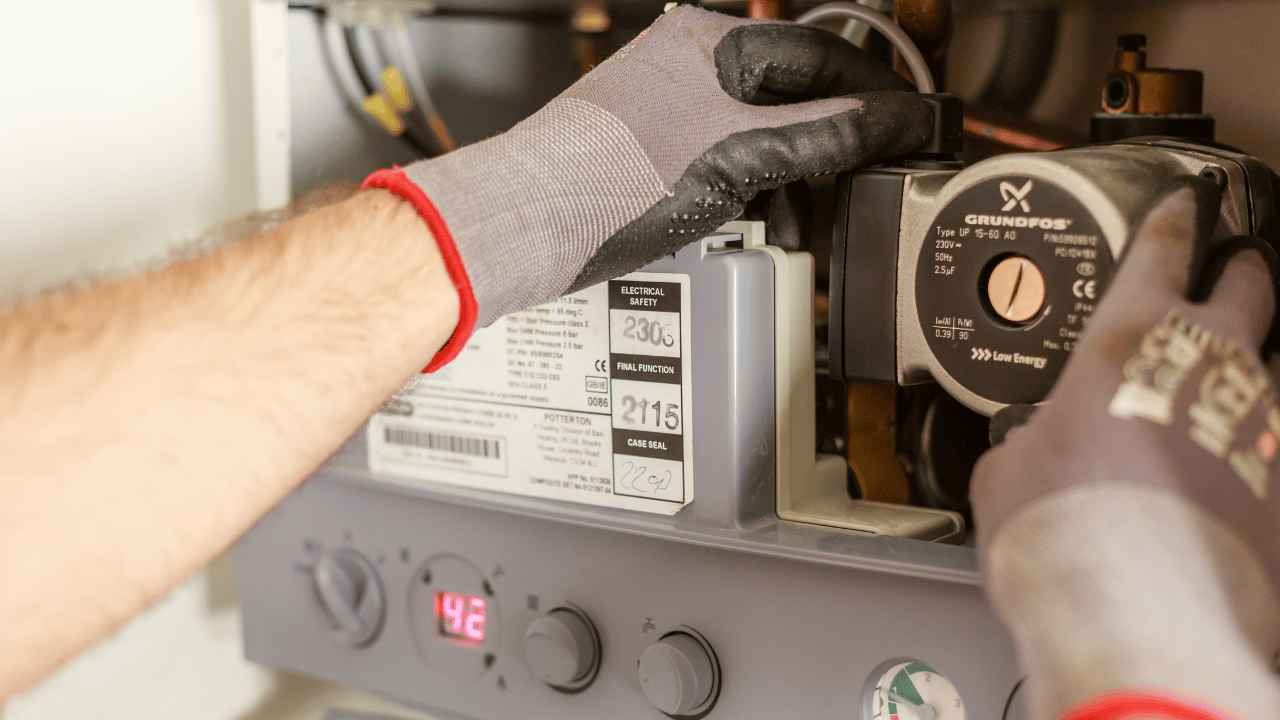
When your furnace goes cold in the dead of winter, the last thing you want is a surprise repair bill. But what exactly goes into the cost of furnace repair? As someone who’s been through a few chilly nights and more than one technician visit, I know firsthand that understanding these costs is crucial—not just for your wallet, but for your peace of mind. Let’s break down the key factors so you can make smarter, more informed decisions about your home comfort.
Typical Furnace Repair Costs Explained
When a furnace breaks down, the first thing most homeowners wonder is, “How much will this cost me?” The answer isn’t always straightforward, but there are ballpark figures that can help you set expectations.
What’s the Average Cost for Furnace Repair?
Nationally, the average cost for furnace repair lands between $130 and $500, with most jobs clustering around $300. However, it’s not uncommon for minor fixes—like a clogged filter or dirty flame sensor—to run as low as $75. On the flip side, major issues such as replacing a heat exchanger or a blower motor might tip the scale at $1,500 or more.
Breakdown of Common Repair Costs:
- Thermostat replacement: $100–$300
- Igniter repair: $150–$400
- Blower motor replacement: $450–$1,500
- Flame sensor cleaning/replacement: $75–$250
- Gas valve replacement: $200–$600
I remember when my own furnace stopped working during a snowstorm. The culprit? A faulty igniter. The fix cost me around $250, but the technician’s speedy response saved me from a freezing night. It’s a vivid reminder that sometimes, even small components can mean big comfort.
Why Do Prices Vary So Much?
Not all furnace repairs are created equal. The scope of the job, the parts needed, and even your location can all play a big part in the final bill. For instance, labor rates in metropolitan areas are often 20–30% higher than in smaller towns.
Quick Comparison:
- Simple fixes (filters, sensors): Low cost, fast turnaround
- Complex repairs (motors, heat exchangers): Higher cost, longer wait
- Emergency calls: Expect a 20–50% premium, especially after hours
The bottom line? The more complex the problem, the steeper the price.
Factors That Influence Repair Pricing
Knowing the average costs is half the battle. The other half is understanding what drives those numbers up or down. Here are the most significant factors I’ve seen—both in my own repairs and while helping clients navigate their options.
1. Type and Age of Furnace
Older furnaces, especially those 15 years or older, often require harder-to-find parts. I’ve had a technician tell me that sourcing a control board for a two-decade-old unit was like “looking for a needle in a haystack.” Modern high-efficiency models might be more expensive to repair due to their complex electronics.
- Older models: Cheaper parts, but less efficient and more prone to failure
- Newer models: Expensive components, but often covered by warranty
2. Nature of the Problem
Not every furnace issue is created equal. A clogged air filter is a DIY fix; a cracked heat exchanger requires a pro and significant labor.
- Mechanical failures: Motors, fans, belts—parts and labor add up
- Electrical issues: Sensors, thermostats—generally cheaper unless boards are involved
- Gas/combustion problems: Require licensed techs, safety checks—higher costs
3. Labor and Emergency Service
In practice, the cost of labor can be just as significant as the parts themselves. During peak winter months, demand spikes—so do hourly rates. In my experience, calling after-hours or on weekends can inflate the bill by up to 50%.
- Standard service call: $75–$150
- Emergency/after-hours: $150–$300+
4. Geographical Location
Where you live matters. For example, urban areas like Chicago or New York often have higher labor costs compared to rural regions. That’s largely due to increased overhead and cost of living.
5. Warranty Status
A common mistake is not checking your furnace’s warranty first. Many manufacturers cover parts for 5–10 years, and some installers include labor for a limited time. Always review your warranty before approving repairs.
6. Diagnostic Technology and Tools
Modern HVAC technicians use smart diagnostic tools—like multimeters, gas analyzers, or even mobile apps—to pinpoint problems quickly. While this improves repair accuracy, it can also add to the service charge.
7. Seasonal Demand
Furnace failures spike during the first cold snap of the season. High demand can mean longer wait times and increased service fees.
Quick Tips to Keep Repair Costs Down:
- Schedule annual maintenance before winter to catch issues early.
- Change furnace filters every 1–3 months for optimal airflow.
- Ask for an itemized quote before approving any work.
- Check your warranty—and keep documentation handy!
Frequently Asked Questions about Cost Factors in Furnace Repair
What’s the most expensive furnace repair I might face?
The heat exchanger is typically the most expensive component to replace, with costs ranging from $800 to $1,500. Sometimes, replacing the furnace altogether makes more economic sense, especially for older units.
How can I avoid high furnace repair bills?
A: Regular maintenance is the best way to prevent pricey repairs. Scheduling an annual tune-up, changing filters regularly, and addressing small issues promptly can save you hundreds—if not thousands—over your furnace’s lifetime.
Understanding the cost factors in furnace repair empowers you to make better choices—whether you’re facing an emergency or planning ahead. Remember, a little preparation goes a long way, both for your comfort and your budget. If you ever find yourself staring down a broken furnace, you’ll know what to expect—and how to keep the bill as low as possible.
* Please note that the costs are only estimates and do not represent the actual cost.
Costs reflect both the immediate repair and the long-term reliability of your system. By obtaining itemized estimates, prioritizing preventative maintenance, and choosing a licensed, transparent technician, you can control price without compromising performance. If you’re facing a repair decision, seek a pro who explains the drivers behind the bill, outlines your options, and delivers clear expectations. For a no-surprises estimate, consult a trusted HVAC professional in your area.