
Turn Furnace Frustration into Confidence
You’ve tried the quick fixes, watched the tutorials, and still can’t get consistent heat—now it’s time to trust the experts. When you reach out to our team, you’re not just getting a repair; you’re investing in reliable warmth and long-term peace of mind.
DIY Furnace Troubleshooting & Maintenance: Essential Steps to Keep Your System Running Efficiently
Last winter, Julia Thompson woke up in a freezing house, her furnace completely silent. The repair technician’s verdict? The blower motor had burned out—choked by layers of dust and neglect. The $600 repair could have been easily avoided if she had known even the basics of furnace maintenance. Julia’s story is not unique; thousands of homeowners face the same fate each year simply because they underestimate the importance of regular furnace care.
When we ignore how our heating system works, small issues like a dirty filter or clogged vent quietly grow into expensive, even dangerous problems. But understanding simple DIY furnace troubleshooting and maintenance isn’t just about saving money—it’s about safety, comfort, and preventing emergencies before they happen.
If you’ve ever wondered how to keep your furnace running efficiently without waiting for disaster to strike, read this article to the end—you’ll learn the essential steps every homeowner should know to keep their heating system in peak condition.
DIY Furnace Troubleshooting & Maintenance: Keeping Your Heating System in Peak Condition
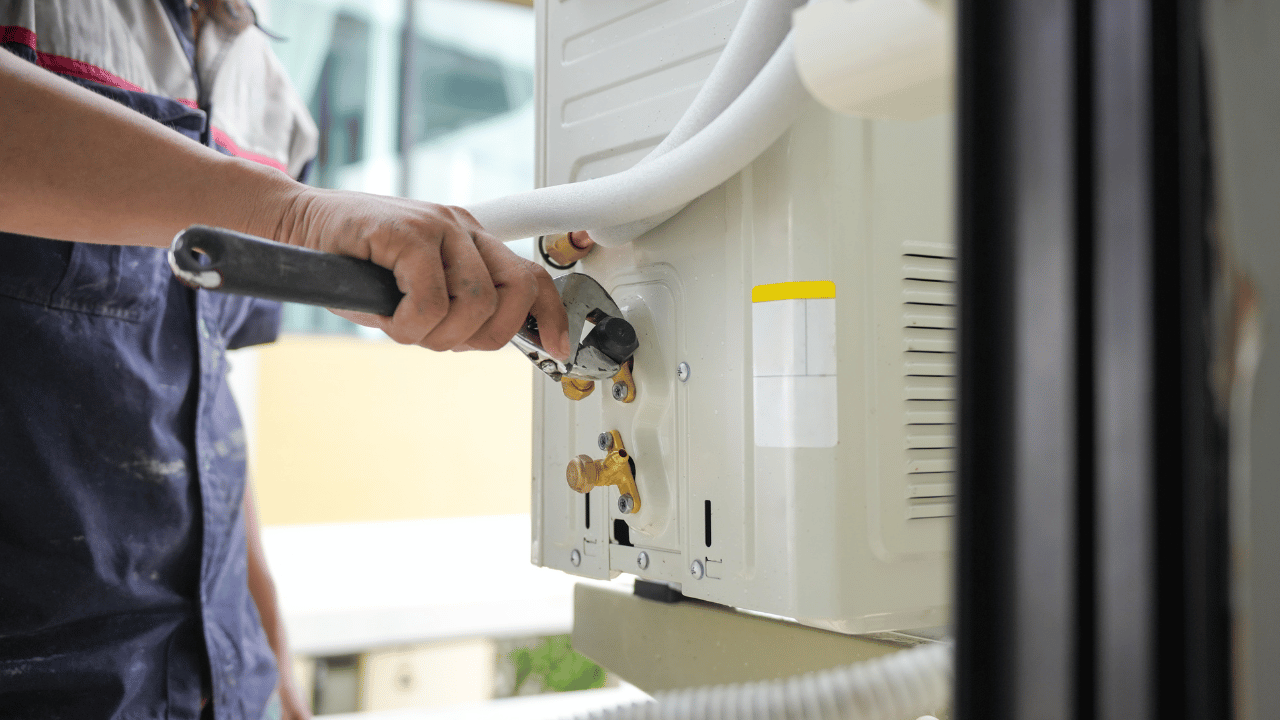
When temperatures drop, your furnace becomes the silent hero of your home—until it stops working. That’s when panic sets in, along with the thought of an expensive repair bill. But here’s the good news: with a bit of knowledge, a few tools, and a proactive approach, you can handle many furnace issues yourself and extend its lifespan in the process.
Let’s explore three key aspects of furnace troubleshooting and maintenance that any homeowner can safely manage: preventive maintenance tips, simple DIY repairs, and how to safely change your furnace filter.
Furnace Maintenance Tips to Prevent Breakdowns
Keeping your furnace running efficiently isn’t complicated, but it does require attention. A well-maintained furnace not only performs better—it also helps lower energy bills. In fact, according to the U.S. Department of Energy, routine heating maintenance can reduce energy consumption by up to 15% per year.
Regular Cleaning and Inspection
Dust and debris are your furnace’s worst enemies. Over time, buildup in vents, burners, or blowers can restrict airflow and cause overheating.
Here’s what you can do:
- Turn off the power before touching anything. Safety first.
- Vacuum around the furnace and inside accessible panels. Use a hose attachment and be gentle around wiring.
- Inspect the blower assembly and belts. Frayed or loose belts are a sign they need replacement soon.
For example, Julia, a cousin of mine, once ignored a dusty furnace for years. When she finally had it inspected, the technician said dust had caused the blower motor to fail prematurely, a $600 repair she could’ve avoided with 15 minutes of cleaning once a month.
Keep Air Vents Clear
It may sound trivial, but blocked vents can create back pressure on your system. When they’re obstructed by furniture, rugs, or curtains, the furnace has to work harder to push air, straining the fan motor and increasing energy usage. Make sure every vent is open and unobstructed.
Schedule a Yearly Checkup
Even when you prefer doing maintenance yourself, a yearly professional inspection is a smart move. Licensed HVAC professionals use tools like combustion analyzers or infrared thermometers to detect leaks, CO emissions, or miscalibrations you can’t spot on your own. Ideally, schedule it in early fall, right before heating season.
Simple Furnace Repairs You Can Do Yourself
Not every furnace issue requires calling a technician. Some of the most common problems homeowners fase, like the furnace not turning on, running intermittently, or producing weak heat, have simple DIY fixes.
Check the Thermostat First
Before assuming your furnace has failed, start with the obvious. Sometimes the thermostat is the culprit.
Troubleshooting steps:
- Make sure it’s set to “HEAT” mode and the temperature setting is higher than the current room temperature.
- Replace batteries if it’s a battery-operated thermostat.
- Dust or clean the contacts if it’s an older mechanical model.
Reset the Furnace
Many modern furnaces have a built-in reset button (usually red). This button resets the control board after a system fault or power outage.
- Turn off the furnace for a minute.
- Press and hold the reset button for about 30 seconds.
- Turn the unit back on.
If the furnace keeps tripping the reset, there’s a deeper problem (such as a dirty flame sensor or a blocked vent). It’s time to stop and call an HVAC professional.
Inspect and Clean the Flame Sensor
The flame sensor ensures your furnace is burning gas safely. When it gets dirty, the furnace ignites briefly then shuts down.
You can clean it with fine-grit sandpaper or a soft cloth dipped in rubbing alcohol.
Here’s how:
- Turn off power and gas supply.
- Gently remove the flame sensor (usually secured with one screw).
- Clean it and reinstall carefully.
Real-life example: My neighbor Eric called me one winter evening in frustration, his furnace would only stay on for a minute. After walking him through cleaning the flame sensor, the problem disappeared instantly. Sometimes, it’s the simplest thing.
Check the Pilot Light (for older models)
If you have an older gas furnace, a pilot light that keeps going out can often be relit by following the manufacturer’s instructions printed near the burner compartment. Always ensure proper ventilation when relighting and never force the gas valve.
Tip: If you smell gas, stop. Do not attempt repairs yourself. Open windows, evacuate, and call your gas utility company immediately.
How to Safely Change Your Furnace Filter
Arguably the easiest yet most impactful maintenance task you can do is changing your furnace filter. A dirty filter is responsible for the majority of airflow issues—and can lead to overheating, system strain, or early breakdown.
Why the Filter Matters
Your furnace filter traps dust, hair, and other particles to keep indoor air clean and protect sensitive components. Over time, it clogs—and your furnace compensates by pushing harder, which can increase energy use by 10–20% (according to Energy Star).
How Often You Should Change It
- Basic fiberglass filters: Every 1–2 months
- Pleated filters: Every 2–3 months
- High-efficiency filters (HEPA or media types): Every 6–12 months
Keep in mind that factors like pets, allergies, and frequent home construction increase replacement needs.
Step-by-Step Guide to Replacing a Furnace Filter
- Turn off the furnace. Always disconnect power before accessing any part.
- Locate the filter. It’s typically behind the front panel or inside the return air duct.
- Note airflow direction. There’s an arrow printed on the filter’s frame—make sure it points toward the furnace blower.
- Insert the new filter. Slide it in carefully and ensure a snug fit.
- Turn power back on and test airflow.
Extra tip: Keep a reminder on your phone or write the replacement date on the filter’s edge. It’s a simple habit that prevents guesswork.
When our friend Jason’s furnace began making a “whooshing” sound, he assumed something serious had broken. But the issue disappeared after replacing a two-year-old clogged filter. Sometimes, maintenance is that straightforward.
Additional Practical Tools & Helpful Practices
- Smart Thermostats: Tools like Google Nest or Ecobee can reduce energy consumption by learning your heating patterns.
- Leak Detection Spray: A safe way to check for gas leaks around fittings.
- CO Detectors: Essential for detecting hidden carbon monoxide risks.
Frequently Asked Questions of DIY Furnace Troubleshooting and Maintenance
How often should you perform furnace maintenance?
Ideally, you should clean or inspect your furnace monthly during the heating season and schedule a professional inspection once a year, preferably in the fall. Regular filter changes every 1–3 months also count as part of routine maintenance.
What’s the most common DIY furnace repair?
Most homeowners can safely handle filter replacements, thermostat checks, and resetting the furnace. Cleaning the flame sensor is another common fix—but always turn off power and gas before working on any furnace component.
Final Thoughts
Performing Do-It-Yourself Furnace Inspection and Care doesn’t mean doing everything yourself—it means understanding your system well enough to handle the basics and recognize when to call for help.
By cleaning components regularly, performing simple checks, and replacing your filter on schedule, you keep your furnace efficient, safe, and reliable. Ultimately, a few hours each season can save hundreds of dollars in repairs—and keep your home warm when it matters most.
Your furnace is a complex system, but maintaining it doesn’t have to be complicated. By implementing regular inspections, cleaning components, and addressing minor issues promptly, you can significantly reduce the risk of unexpected outages and maintain optimum heating performance throughout the season. However, always remember that some issues require professional expertise. Treating DIY maintenance as preventive care, not a replacement for certified service, ensures your furnace remains efficient, safe, and reliable for years to come.