
Stay Ahead of Breakdowns with Preventive Care
You can’t afford downtime when temperatures drop. With a comprehensive heating system maintenance checklist, you catch small issues before they turn into expensive emergencies. You stay in control, avoid disruptions, and ensure your system is ready when you need it most.
Take proactive action, contact us now and secure your maintenance appointment before peak season hits.
Heating System Maintenance Checklist
Three winters ago, Emanuel Torres thought he was being smart by skipping his furnace’s annual maintenance. “It’s working fine,” he told his wife. “Why pay for a checkup?”
That decision nearly cost him thousands.
During a brutal cold snap in January, Emanuel’s high-efficiency gas furnace suddenly shut down. Within hours, the temperature inside his home plummeted. Pipes were at risk of freezing, his family was scrambling for space heaters, and an emergency HVAC visit came with an eye-watering bill. The diagnosis? A severely clogged air filter, an overworked blower motor, an overheated heat exchanger, and neglected electrical components that had silently deteriorated over time. What Emanuel didn’t know about heating system maintenance is exactly what caused the breakdown.
The truth is, many homeowners treat their heating systems as “install and forget” appliances, without understanding that these systems are complex mechanical and electrical engines that demand routine attention. Ignorance about airflow management, combustion safety, and electrical component testing doesn’t just reduce efficiency, it can trigger dangerous failures, carbon monoxide risks, and costly emergency repairs.
Knowing how a proper heating system maintenance checklist works is the difference between proactive protection and reactive disaster. If you want to avoid Emanuel’s mistake, reduce your energy bills, and protect your home and family, read this article to the end and discover exactly what your heating system needs to run safely and reliably all winter long.
Heating System Maintenance Checklist: Prevent Breakdowns, Improve Safety & Efficiency
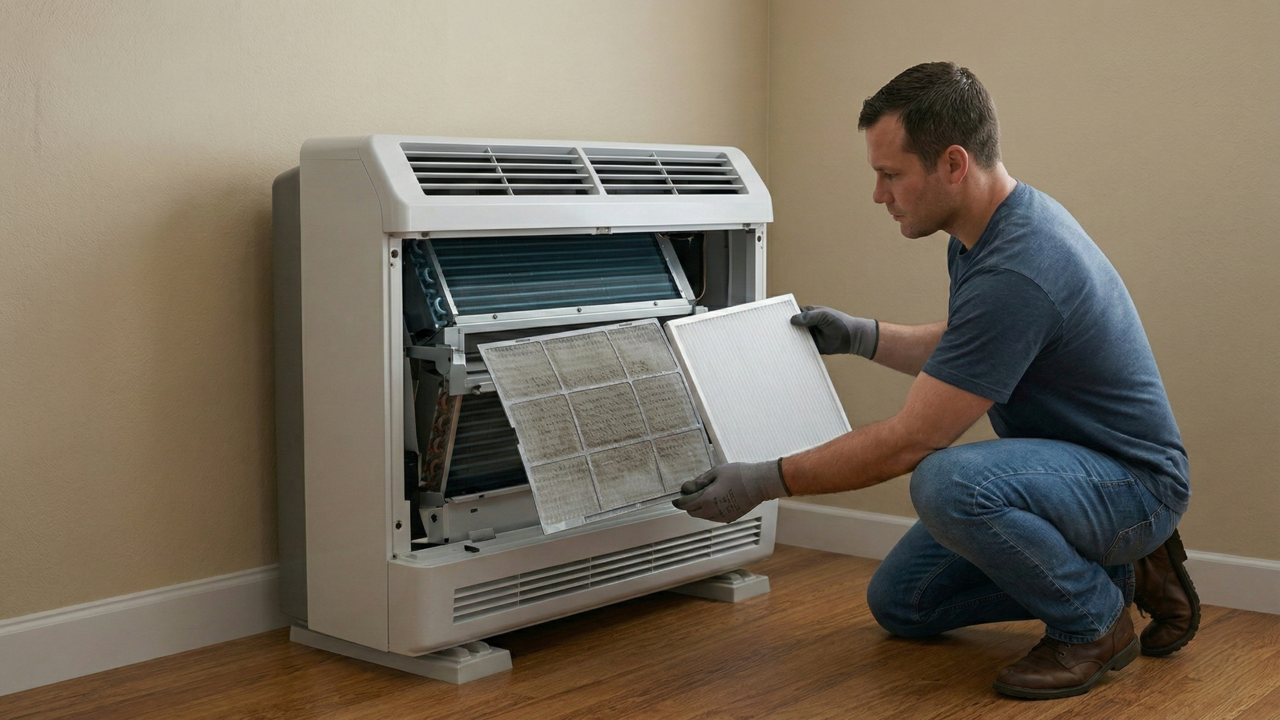
Whether functioning as a hydronic boiler, forced-air gas furnace, or sophisticated electric heat pump, a residential heating system is much more than a basic home appliance because it is an extremely intricate, active thermodynamic engine that runs by precisely coordinating fluid dynamics, electrical engineering, and tightly regulated chemical combustion. The internal components of these complex mechanical systems experience inevitable and cumulative deterioration that cannot be disregarded without dire repercussions since they are subjected to constant physical strain and intense heat cycling during the extended winter months.
It is a fundamental engineering error to treat a property’s primary heating system as a passive fixture that doesn’t require any intervention. This approach universally and inevitably results in drastically reduced energy efficiency, dangerously compromised indoor air quality, and a high probability of premature, catastrophic mechanical failure. The only surefire way to guarantee long-term operational reliability safety is to implement a strict, technically sound preventative maintenance checklist. This will change the property management strategy from a costly reactive repair paradigm to a proactive maintenance schedule, because this tactical change enables homeowners and facility managers to minimize the serious, potentially fatal safety risks that are intrinsically linked to any fuel-burning or high-voltage heating equipment, optimize the basic heat transfer process, and shield expensive and essential mechanical components from needless operational strain.
The experience of Emanuel, a homeowner who purposefully skipped his high-efficiency gas furnace’s yearly servicing for three years in a row under the mistaken belief that the system was operating flawlessly, must be taken into consideration in order to understand the crucial structural and financial significance of following a systematic maintenance protocol. The neglected heating system suddenly and permanently stopped working during a severe mid-winter cold snap that required maximum output. This resulted in a sharp drop in the interior temperature of the house and an imminent risk of frozen plumbing lines and serious structural water damage. As a result, Emanuel had to pay outrageous emergency fees for a certified HVAC technician whose diagnostic evaluation showed that the system’s intended airflow had been completely choked by a heavily soiled, unreplaced air filter, forcing the primary blower motor to work exponentially harder until its run capacitor failed and the motor burned out completely.
In addition, the primary heat exchanger frequently overheated during operation due to the extreme lack of ventilation, tripping the high-limit safety switch until it permanently locked out the entire ignition sequence to prevent a home fire. Emanuel was conclusively shown by this extremely costly and stressful emergency that failing to perform routine electrical testing and proper airflow management directly sets off a destructive chain reaction that permanently destroys the system’s most costly mechanical components.
Airflow and Filtration Management
The entirely continuous and precisely balanced circulation of air throughout the conditioned living space is the basic and most important mechanism controlling the operation of any forced-air heating system. In order to facilitate thermal transfer, the mechanical system must continuously draw a highly specific and mathematically calculated volume of cold return air through the ductwork, pass it effectively over a central heat source, and then forcefully distribute the newly conditioned air evenly throughout the property’s various thermal zones. The key and easiest-to-manipulate variable in this intricate fluid dynamics equation is the conventional pleated air filter, this sensitive thermodynamic process depends solely on maintaining an accurate static pressure within the constructed ductwork. It is important to realize that a filter’s main engineering function is to physically protect the extremely delicate internal parts of the furnace cabinet, particularly the metallic heat exchanger and the aerodynamic blower fan blades from building up constricting layers of dust, pet dander, and other microscopic particulate matter.
An air filter quickly becomes heavily occluded with debris when it is carelessly left in place well past its intended useful lifespan, this thick occlusion functions mathematically like a physical wall within the ductwork, significantly raising the system’s static pressure resistance. In an effort to overcome this artificial resistance, the primary blower motor must draw much more electrical amperage in order to move its fixed, rated volume of air, measured in cubic feet per minute. At the same time, the furnace cabinet’s internal temperature spikes dangerously because the moving air is no longer sufficiently dissipating the generated heat. In addition to significantly lowering the unit’s overall thermodynamic efficiency, operating any residential heating system with severely restricted airflow raises the internal furnace temperatures to the point where they frequently activate high-limit safety switches or prematurely deteriorate the structural integrity of the heat exchanger material (Source: American Society of Heating, Refrigerating and Air-Conditioning Engineers, 2023).
Combustion and Ignition System Inspection
The evaluation of the intricate combustion and electronic ignition sequences must be given top priority on the preventative maintenance checklist for domestic heating systems that actively use fossil fuels, primarily natural gas or liquid propane. A remarkably precise stoichiometric mixture of gaseous fuel and atmospheric oxygen is necessary for safely heating a domestic structure with open fire, this means that if the internal burners are misaligned, covered in carbon soot, or experiencing improperly calibrated gas manifold pressure, the resulting combustion process becomes highly inefficient and extremely dangerous for the occupants. To restore the ideal flame geometry, the complete metallic burner assembly must be carefully removed from the cabinet and physically cleaned of any accumulated soot, oxidative rust, and chemical calcification during a proper, expertly performed maintenance routine.
Additionally, the flame sensor, an extremely important electronic safety device made up of a conductive metallic rod that uses the scientific principle of microampere rectification to detect the physical presence of a flame, needs to be carefully polished with an abrasive pad. If this sensor gets heavily coated in insulating carbon buildup, it will unavoidably fail to detect the electrical current of the flame and will immediately shut off the main gas valve, leaving the house completely without heat. Beyond the ignition components, the primary heat exchanger, which serves as the absolute physical barrier separating the highly toxic, actively burning combustion gases from the clean, breathable air circulating directly into the living space, must undergo a thorough, visually aided diagnostic inspection using an endoscope to look for microscopic stress fractures. All building codes still require routine professional inspections of the heat exchanger and burner assembly because incomplete or interrupted combustion directly produces carbon monoxide, a completely deadly and odorless exhaust gas that can quickly permeate the entire living area if the physical metallic boundary of the exchanger is even slightly compromised (Source: National Fire Protection Association, 2024).
Electrical Components and Thermostat Calibration
A very complex network of high-voltage and low-voltage electrical components that are intended to precisely start, continually monitor, and securely support the full thermal heating cycle without fail is essential to a modern high-efficiency heating system. A thorough preventative maintenance checklist must unquestionably include a thorough, highly technical evaluation of the unit’s overall electrical integrity using a professionally calibrated digital multimeter because internal electrical degradation is entirely invisible to the unaided eye but continues to be a major cause of abrupt, catastrophic system failure during peak operational demand. All run and start capacitors, which function effectively as localized batteries that quickly store and release precise bursts of electrical energy to smoothly start powerful induction motors without producing massive voltage drops, must be carefully tested by certified HVAC experts.
These crucial capacitors are measured scientifically in microfarads, and if a particular capacitor’s capacitance falls even slightly below its manufacturer-rated tolerance, the system’s compressor or indoor blower motor must draw extremely high starting current, which quickly overheats the delicate internal motor windings and causes the motor to die prematurely and preventably. Furthermore, since these flaws result in significant electrical resistance and localized arcing, all internal contactors and relays which serve as the heavy-duty electromechanical switches regulating the primary high-voltage loads must be visually and electrically examined for hazardous pitting or severe burn marks on their conductive contact pads. Because operating an HVAC system with severely deteriorated electrical components forces costly internal motors to draw excessive, damaging amperage that directly causes localized overheating, winding insulation failure, and ultimately catastrophic motor burnout, critical electrical components like capacitors and contactors must be regularly tested for their precise microfarad ratings and voltage drop continuity, respectively (Source: Air Conditioning Contractors of America, 2023).
Conclusion
To guarantee the long-term operational durability, complete physical safety, and optimal thermodynamic efficiency of a property’s vital thermal infrastructure, a strict heating system maintenance checklist must be followed. If these carefully thought-out technical procedures are circumvented, small wear and tear that can be easily fixed will inevitably turn into serious mechanical failures and extremely dangerous operating situations that endanger the entire structure. The physics of airflow dynamics, the exact chemistry of safe fuel burning, and the continuous integrity of all high-voltage electrical components eventually require extremely careful attention in a comprehensive, professional maintenance strategy.
- Control the Airflow: To maintain ideal ductwork static pressure and avoid serious equipment overheating and excessive electricity consumption, change all pleated air filters on a regular basis and physically inspect the internal blower assembly.
- Check for Combustion: To guarantee effective fuel use and completely remove any carbon monoxide risks, thoroughly clean the metallic burner assembly, polish the electronic flame sensors, and examine the heat exchanger with an endoscope.
- Examine the electronics: To prevent catastrophic electrical failure of the system’s costly induction motors, use calibrated multimeters on a regular basis to confirm the precise microfarad values of all start capacitors and the voltage continuity of electromechanical contactors.
Frequently Asked Questions about Heating System Preventive Maintenance List
Why does a severely dirty air filter cause the main furnace blower motor to physically break down and fail entirely?
A heavily soiled air filter acts exactly like a solid, impenetrable wall deliberately placed inside the ductwork, which drastically increases the system’s internal static pressure resistance to unsafe levels. Because the engineered blower motor is specifically designed to pull a highly precise volume of air to maintain thermal equilibrium, this severe airflow restriction forces the motor to work significantly harder, drawing excess electrical amperage that generates extreme heat in the copper motor windings, eventually causing the internal protective insulation to melt away and the motor to burn out entirely.
What exactly is the internal flame sensor doing during the ignition sequence, and why does a dirty one completely stop my furnace from working?
The flame sensor is a critically important electronic safety device that utilizes a constant, low-voltage electrical current to positively confirm that the highly combustible natural gas has successfully and cleanly ignited upon demand. If the conductive metal rod becomes entirely coated in insulating carbon soot or chemical oxidation resulting from the combustion process, it completely loses its ability to conduct that vital microampere electrical signal; consequently, the system’s primary control board immediately assumes there is no safe flame present and instantly shuts off the raw gas valve to prevent a massive, catastrophic explosion.
How does a weakened or failing run capacitor directly damage the highly expensive induction motors hidden inside a residential heating system?
A standard electrical run capacitor acts continuously as an electronic booster system, providing the necessary phase shift and electrical energy required to keep a heavy induction motor running smoothly and highly efficiently without drawing excess power from the main grid. When the capacitor inevitably degrades over time and loses its precise microfarad rating, it completely fails to provide that necessary electrical boost, physically forcing the motor to draw far more dangerous electrical current directly from the main power supply just to keep the fan blades spinning; this highly excessive amperage translates directly into severe internal thermal heat, which quickly destroys the motor’s structure.
Heating system maintenance is a matter of engineering discipline, not convenience. Airflow restrictions, combustion irregularities, and electrical degradation do not resolve themselves, they intensify under operational stress. What begins as a neglected filter or an underperforming capacitor can escalate into catastrophic mechanical failure at the worst possible moment.
A structured maintenance checklist, controlling airflow, inspecting combustion components, and testing electrical systems, serves as the definitive safeguard against preventable breakdowns and dangerous operating conditions. In an environment where winter performance is non-negotiable, proactive maintenance is the only strategy that ensures long-term reliability, optimal energy efficiency, and uncompromised safety.