
Make Every Degree Work in Your Favor
You don’t have to guess when your heating should be running. By using the right heating strategy, you can stay comfortable without overpaying for unnecessary energy use. Our service helps you choose the best heating timing for your space, your habits, and the season. Reach out now and let our experts help you take control.
When to Turn Your Heating On/Off
Many homeowners end up making the same costly mistake with their heating system simply because they don’t know when to turn it on or off. That was exactly the case for Perla, who thought the first chilly evenings meant it was time to switch the heat on, only to realize later that poor timing was driving up her energy bill and putting unnecessary strain on her furnace. This kind of problem usually starts with ignorance of how indoor temperature, insulation, and seasonal weather really affect a home’s heating needs. Knowing when to activate and deactivate your heating system is essential not only to stay comfortable, but also to save money and avoid repeat mistakes. Read the article to the end to learn how to get the timing right.
When to Turn Your Heating On and Off: Expert Seasonal Guide
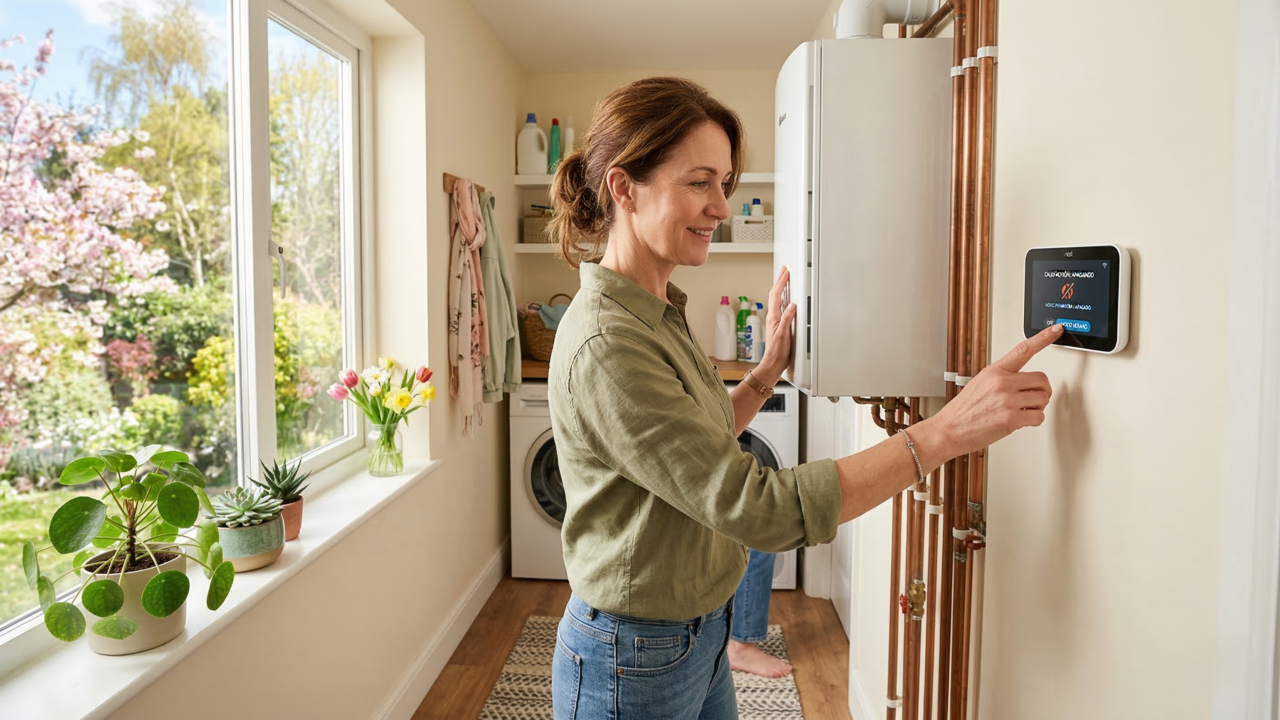
In the environment of modern residential climate management, the precise timing of seasonal thermal transitions has evolved into a strategic domestic decision that influences both household comfort and mechanical efficiency throughout the winter months. This sophisticated heating ecosystem provides various operational schedules and temperature settings that are often misunderstood by thoughtful residents who simply want to maintain a pleasant indoor atmosphere in an earnest attempt to find a clear routine for their system without realizing the underlying thermodynamics of their specific building. Selecting the ideal activation date for a specific property’s unique insulation quality and its distinct local weather patterns requires systematically comparing external ambient temperatures directly against the internal heat retention capabilities of the structure to fully understand how air circulation and thermal mass work in harmony to preserve warmth.
Instead of addressing the fundamental requirement for seasonal system readiness and long-term sustainable energy usage that practically guarantees a comfortable environment and a lower utility bill, this careful planning ensures constant home comfort and avoids the common mistake of running the furnace too soon when weatherstripping might be adequate. Additionally, this comprehensive solution complies with current efficiency standards and allows tenants to quickly and successfully enhance their immediate living conditions by treating each unit of fuel utilized by the unit as a valued asset rather than a squandered resource of poorly timed operation.
Last autumn, Perla noted that her living quarters were getting a little chilly after the sun went down, even though the daytime temperatures were still very mild, just after the first slight evening chill arrived. Perla spent a busy morning examining the outside of her house, assuming that the everyday seasonal problem was just a simple window seal that could be easily taped. However, she soon found that the underlying structure was still naturally vulnerable to the slow drop in overnight temperatures. Caught between an increasing desire for indoor warmth and the realization that her heating infrastructure needed a more defined seasonal strategy, Perla deeply reflected on her gentle learning curve regarding residential heat loss, eventually consulting a local energy expert who perfectly explained the benefits of monitoring the “average daily temperature” to permanently and gracefully solve her concerns without ever needing to guess when to flip the switch. This allowed her to fully enjoy her refreshed home environment knowing that the underlying systems were quietly and efficiently managing the temperature exactly as they were designed to do while protecting her budget from unnecessary energy consumption.
Determining the Ideal Start Date
In order to determine the precise moment when the building’s internal thermal mass can no longer naturally maintain a comfortable living temperature, a highly efficient and meticulously planned assessment of the external climate is the first step in the basic start of a modern residential heating cycle. By strategically adhering to the “68-degree rule,” which advises turning on the system only when the interior temperature continuously drops below this comfortable threshold for multiple days in a row, responsible homeowners seeking to discreetly maintain their home’s thermal efficiency will find this incredibly efficient planning stage to be perfect (source: Department of Energy, 2024).
Consequently, this monitoring procedure serves as an essential protective measure that thoughtfully ensures the heating unit is not forced into short-cycling during brief cold snaps, ensuring that the valuable mechanical lifespan of the furnace is immediately preserved to provide total peace of mind during the peak of winter while simultaneously reducing the risk of internal wear. Finally, relying on a thoroughly observed temperature threshold requires a highly precise approach to ensure that the thermostat is calibrated correctly because a complete understanding of the home’s baseline ensures that the heat moves effortlessly through the rooms without any unexpected fluctuations along the way that might cause discomfort. This incredibly thoughtful approach to seasonal timing easily transforms a historically problematic guessing game into a highly functional and remarkably predictable domestic routine by safely identifying the thermal requirements at their exact source before they can ever become a comfort issue and allowing the system to perform smoothly and efficiently behind the scenes.
Monitoring Overnight Temperature Shifts
The next crucial phase of climate optimization is precisely controlling the evening temperature settings once the primary heating season has officially begun. This ensures that the system offers adequate warmth for a comfortable night’s sleep without wasting a lot of energy on an empty or inactive home. Modern thermostats use explicit programmable schedules that usually include a “setback” temperature to indicate a fully balanced working range, which is normally several degrees lower than the daytime comfort level. In contrast, many older traditional devices required constant manual adjustment. Professional energy auditors invest significant time explaining that lowering the thermostat by seven to ten degrees for eight hours a day can lead to substantial annual savings which simply means the resident should utilize automated controls to gently decrease the heat during the late hours (source: Energy Star (2023)). Taking the extra time to properly configure these nighttime dips after the initial startup practically guarantees that the entire heating loop will remain completely stable and fully operational for many decades without needing constant manual intervention or experiencing frustrating heat spikes, which preserves the longevity of the expensive blower motor. By combining these simple but effective timing adjustments, responsible residents create a wonderfully stable thermal environment that quietly respects the mechanical limits of the property while successfully performing a deeply vital heating service perfectly out of sight to ensure the ongoing comfort and safety of the entire family.
Identifying When to Deactivate the System
The absolute timing of the final deactivation, which simply refers to the precise moment the unit must naturally rest to allow the spring sun to take over as the primary heat provider, is unquestionably the most prominent and universally significant factor when carefully assessing the natural efficiency and long-term success of any residential climate strategy. Finding that an active furnace on a warm spring afternoon acts more like a source of stuffiness than comfort is a very common and entirely natural learning curve for new property owners. This simply means that the system eventually needs to be definitively shut down to safely allow the home to breathe during the warmer months.
By ensuring that the operating hours precisely match the actual heating demand and allowing the ventilation process to gently refresh the indoor air exactly as the architects intended, it is easy to prevent the common problem of a sudden mechanical failure by facilitating these natural seasonal transitions before the equipment becomes unnecessarily taxed (source: American Society of Heating, Refrigerating and Air-Conditioning Engineers, 2024). Before the system reaches its final spring run, the best and most dependable method for any modern resident is to do a basic preliminary check of the long-range weather forecast and carefully monitor the interior warmth of the house. This ensures that the furnace will operate in perfect mechanical harmony with the changing seasons. When the homeowner understands this operation it allows to accurately predict how their specific heating loop will smoothly respond to variations in outdoor weather, resulting in a wonderfully balanced and profoundly reliable indoor space that confidently manages the seasonal transitions while providing a truly satisfying and highly educational home maintenance project.
Conclusion
Thermal efficiency and sustainable mechanical health are given precedence over the straightforward and frequently inefficient practice of running the heat all year round in the strategic management of a residential heating system through well-timed activation and deactivation. This approach to modern property management is rational and environmentally friendly. Residents can easily create a balanced indoor environment that calmly handles seasonal changes without ever putting undue strain on their equipment or their budget by taking the time to understand their home’s natural insulation levels and how appropriate timing techniques smoothly restore warmth throughout their property. And finally, making the deliberate investment in this completely planned and remarkably simple operational sequence ensures a much more comfortable home and a profoundly more efficient system that perfectly complements the resident’s lifestyle, emphasizing the following crucial planning considerations:
- Ensuring a consistently monitored indoor temperature is essential to safely facilitate the activation process before the home experiences a deep chill that could lead to pipe issues or general discomfort for the inhabitants.
- The furnace will stay fully operational throughout the season without needless strain if programmable setback temperatures are used appropriately throughout the night, allowing the system to rest during times of low demand.
- Before turning off the unit for the summer, it’s important to take a moment to look at the long-term spring forecast following a final cold snap. This way, you can make sure that the deactivation is precisely adjusted to the home’s actual thermal needs.
Frequently Asked Questions about When Is the Right Time to Turn Your Heating On or Off?
What is the specific temperature threshold that indicates it is time to officially turn on the home heating system for the winter?
The most objective indicator is when the indoor temperature consistently remains below 68 degrees Fahrenheit for several days, as this threshold confirms that the building’s natural thermal retention is no longer sufficient to maintain a healthy and comfortable living environment for the residents.
How do nighttime temperature setbacks actually contribute to the overall mechanical longevity of a residential boiler or furnace?
Nighttime setbacks allow the heating unit to operate at a lower intensity during hours of reduced demand, which effectively reduces the total operational hours and the number of ignition cycles, thereby preventing premature wear on critical internal components like the heat exchanger and the blower motor.
How can a resident objectively determine if a warm spring day is the right time to permanently deactivate the heating system for the year?
A resident can determine this by monitoring the three-day average of the outdoor ambient temperature; if the daytime highs and nighttime lows no longer cause the indoor climate to dip below the comfort zone, it serves as a clear physical signal that the home can safely transition to natural ventilation for the summer.
A well-timed heating routine protects your home, reduces unnecessary energy use, and helps your furnace operate more efficiently over time. By paying attention to average daily temperatures, using programmable thermostat settings, and watching the seasonal forecast, you can make smarter decisions throughout the colder months. The result is a warmer, more efficient home and a heating system that performs reliably when it matters most.